春节习俗探秘
 祁安枫
祁安枫- 春节
- 2025-12-21 18:11:19
- 101
英语作文部分:
Title: A Fascinating Look into Chinese Spring Festival Customs
Spring Festival, also known as the Chinese New Year, is the most significant traditional festival in China. The celebration is full of diverse customs that are deeply rooted in the culture and traditions of the Chinese people. Let''s delve into some of the fascinating practices surrounding this festive occasion.
Content:
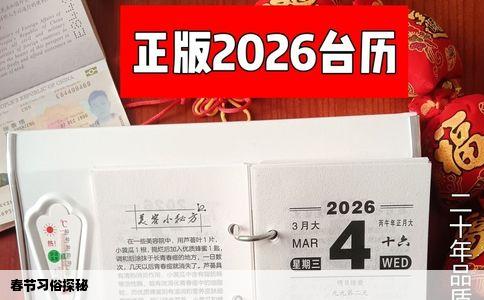
1. Red Envelopes (Hongbao)
During the Spring Festival, red envelopes filled with money are given as gifts, symbolizing good luck and prosperity. This tradition dates back to ancient times when it was believed that the color red wards off evil spirits.
2. New Year''s Feast
Families gather together to enjoy a reunion dinner on New Year''s Eve. The meal is usually rich in symbolic dishes like fish (representing abundance and surplus), dumplings (signifying family unity), and spring rolls (symbolizing prosperity).
3. Setting off Firecrackers
Setting off firecrackers is a popular custom to usher in the New Year and ward off bad luck. The loud bangs are believed to scare away evil spirits and bring good luck for the coming year.
4. Spring Festival Couplets
Hanging Spring Festival couplets is a traditional practice that adds a festive atmosphere to homes. These couplets, usually written with black ink on red paper, contain poetic lines that express wishes for a prosperous and harmonious new year.
5. Watching the Spring Festival Gala
Watching the Spring Festival Gala on television has become a customary practice for many Chinese families. The gala features performances such as singing, dancing, and magic that celebrate the Chinese culture and tradition.
6. Paying New Year''s Visits
On the first few days of the New Year, people visit their relatives and friends to pay greetings, exchange greetings, and give red envelopes as gifts. This is a way of showing respect and good wishes for the coming year.
7. Worshipping Ancestors
Worshipping ancestors is an important custom during the Spring Festival. Families set up altars with offerings of food and drinks to honor their ancestors and pray for their blessings for the coming year.
In conclusion, the Spring Festival is a time of celebration, reunion, and renewal in Chinese culture. The various customs and traditions surrounding this festival are a reflection of the rich history and culture of the Chinese people. Each custom has its own unique meaning and purpose, all aiming to bring good luck, happiness, and prosperity for the coming year.
中文翻译:
《春节习俗探究》
春节,又称为中国新年,是中国最重要的传统节日之一。这个节日充满了各种习俗,深深植根于中国文化和传统之中。让我们深入探讨一下这个喜庆节日中一些有趣的习俗。
1. 红包(红包)
在春节期间,人们会装满钞票的红色信封作为礼物赠送,象征着好运和繁荣。这一传统源于古代人们认为红色可以驱赶邪恶的精神。
2. 年夜饭
家人会在除夕夜聚在一起享用团圆饭。这顿饭通常包括象征丰收和富余的鱼、象征家庭团聚的饺子、以及象征繁荣的春卷等菜肴。
3. 放鞭炮
放鞭炮是一种受欢迎的习俗,用来迎接新年并驱赶坏运气。人们相信响亮的爆炸声可以吓走邪恶的精神,为新的一年带来好运。
4. 春联
挂春联是春节期间的传统习俗,为家庭增添了节日气氛。这些春联通常用黑色墨水写在红纸上,包含着表达对繁荣和谐新年的愿望的诗句。
5. 观看春节联欢晚会
对于许多中国家庭来说,观看春节联欢晚会已经成为一种常规做法。晚会以庆祝中国文化和传统的表演形式如歌唱、舞蹈和魔术为特色。
6. 拜年探亲访友
在新年的前几天,人们会去拜访亲戚朋友,互致问候、交换祝福和赠送红包作为礼物。这是表达尊重和祝福来年好运的一种方式。
7. 祭祖仪式
在春节期间祭祖是一项重要的习俗。家庭会设立祭坛,供奉食物和饮料来纪念祖先,并祈求他们为新的一年带来祝福。
春节是中国的庆典、团圆和更新之季。这个节日周围的各种习俗和传统反映了中国人民丰富的历史和文化。每个习俗都有其独特的意义和目的,都旨在为新的一年带来好运、幸福和繁荣。
最新文章
-
国家法定节假日补休问题
2025-12-28 07:11:22 -
清明节与寒食节有什么差别
2025-12-28 06:11:00 -

元旦节放假几天
2025-12-28 05:12:57 -
重阳节经典的古诗
2025-12-28 05:12:47 -
2012年节假日全年安排解析
2025-12-28 05:12:27 -
发工资遇上双休日或者法定节假日会提前在休息天前发放吗
2025-12-28 04:12:43 -
作文我最喜欢的一个传统节日急急急不准写节日的来历1小时之内可以
2025-12-28 03:10:54 -
你认为我们之该如何对待传统节日呢我们如何对待传统节日
2025-12-28 01:13:56