Spring Festival: A Colorful Celebration of Traditions and Family Ties
 杜俊富
杜俊富- 春节
- 2026-05-12 20:35:55
- 123
The Spring Festival, also known as Chinese New Year, is a grand celebration that marks the turn of the lunar calendar in China and in many Chinese communities worldwide. It is a time-honored tradition that spans over 4,000 years, uniting families under the banner of reunion and prosperity. With its rich cultural significance, elaborate rituals, and vibrant festivities, the Spring Festival stands as a testament to the resilience and optimism of the Chinese people.
#1. Significance and Date
The Spring Festival falls on the first day of the first lunar month, typically occurring between late January or early February on the Gregorian calendar. Its date varies each year, as it is based on the lunar cycle rather than the fixed solar calendar. It is considered the most important festival in the Chinese calendar, rivaling even Christmas in terms of its universal appeal and emotional significance.
#2. Preparations
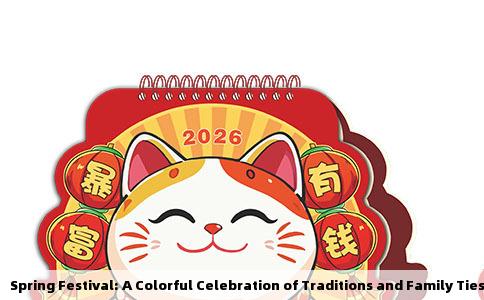
Weeks before the actual day, households embark on a frenzy of cleaning and decorating. This process is known as "spring cleaning," symbolizing sweeping away bad luck from the previous year to make room for good fortune in the coming year. Windows are adorned with red paper cutouts and couplets bearing auspicious messages, while doors are adorned with pictures of lucky animals like the horse or ox, depending on the Chinese zodiac sign of the year.
#3. Food and Customs
The festival''s culinary delights are a key part of the celebration. Dumplings, a symbol of wealth, are an essential part of the年夜饭 (reunion dinner) on the eve of the Spring Festival. They are shaped like ancient Chinese gold ingots, representing abundance. Other traditional dishes include fish (symbolizing surplus), rice cakes (signifying prosperity), and niangao (a sweet cake, representing a higher level of education or career advancement).
#4. Family Reunion
At its core, the Spring Festival is a time for families to gather and reestablish bonds. No matter how far-flung family members may be, they strive to return home for the reunion dinner on New Year''s Eve. This tradition emphasizes the importance of family unity and the role it plays in fostering harmony and continuity within Chinese society.
#5. Fireworks and Lanterns
On the night of the Spring Festival, skyrockets light up the sky as fireworks displays illuminate entire cities. The explosion of colors and sounds symbolize the bursting of evil spirits and the ushering in of a fresh start. Children hold colorful lanterns, adding to the festive atmosphere. Lanterns come in various shapes, from animals to flowers, each carrying its own significance and charm.
#6. Red Envelopes (Hongbao)
On New Year''s Day, it is customary for长辈 (elders) to give red envelopes filled with money to younger family members, a gesture that symbolizes good luck and blessings for the new year. This tradition dates back to ancient times when red was believed to ward off evil spirits. The act of giving red envelopes fosters a sense of generosity and love within families.
#7. Dragon and Lion Dances
A vibrant part of the festival''s celebrations are dragon and lion dances performed by troupes in public squares and streets. These dances, characterized by intricate movements and acrobatics, symbolize fertility, strength, and good fortune. They are believed to驱邪 (ward off evil) and bring prosperity to communities.
#8. New Year''s Greetings
From January 1st onwards, people exchange greetings with phrases like "Gong Xi Fa Cai" (meaning "Wishing you prosperity and good luck"), often accompanied by handshakes or hugs. Social media is abuzz with messages and videos celebrating the new year, connecting people across distances and fostering a sense of community even in this digital age.
#9. Modern Twist
While retaining its traditional essence, the Spring Festival has also adapted to modern times. The rise of e-commerce has seen online shopping for New Year''s decorations and gifts become popular, while social media platforms have become crucial for spreading festive cheer and organizing virtual reunion dinners for those unable to physically gather due to travel restrictions or work commitments.
#10. Conclusion
The Spring Festival is more than just a holiday; it is a cultural phenomenon that unites millions of people across generations and geographical boundaries. It embodies the Chinese philosophy of harmony, family unity, and optimism towards the future. As it continues to evolve with modern times, its spirit remains unchanged—a testament to the enduring power of tradition and the human yearning for connection and celebration. With each passing year, the Spring Festival invites us all to embrace change with open arms, ready for a fresh start filled with hope and promise.
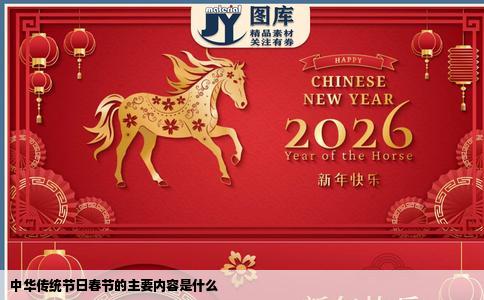
最新文章
-
2021年春节放几天假
2026-07-29 09:06:30 -
中秋节到了送礼送什么啊月饼是一个搭配什么酒比较好啊中秋送
2026-07-29 09:06:24 -
中秋节给长辈送什么礼物好
2026-07-29 09:06:13 -
端午节的总起来源发展现代
2026-07-29 08:06:31 -
清明节由来作文350字
2026-07-29 08:06:26 -
广东春节传统美食有哪些
2026-07-29 08:06:21 -
法定假日有加班吗
2026-07-29 08:06:10 -
近日20144347桂林天气如何想清明节期间去旅游
2026-07-29 07:07:11