标题: The Lunar Festival of Lanterns: Yuanxiao and the Dragon Boat Festival: Zhongzhuo in the Cultural Context of Chinese Traditions
 娄树海
娄树海- 元宵节
- 2026-04-20 12:59:05
- 287
:
In the tapestry of Chinese cultural traditions, two festive occasions stand out for their rich symbolism, historical significance, and familial unity they foster. These are the Yuanxiao (or Lantern Festival) and the Zhongzuo (Dragon Boat Festival), both celebrated across the nation with great enthusiasm and deep reverence. While both festivals share a sense of communal bonding and the importance of family reunion, they differ in their historical origins, customs, and symbolic meanings. This essay delves into the cultural context, historical significance, and contemporary celebrations of these two luminous events in the Chinese calendar.
#The Lunar Festival of Lanterns: Yuanxiao
Yuanxiao, celebrated on the 15th day of the first lunar month, marks the first full moon of the year and signals the end of the Chinese New Year celebrations. It is a festival steeped in tradition, where lanterns light up the night skies, symbolizing hope and prosperity for the coming year. According to legend, Emperor Wu of the Han dynasty (157-87 BC) is credited with initiating the practice of celebrating this day to mark the end of a period of famine and misfortune. The use of lanterns was not only a means of illumination but also a metaphor for guiding people through difficult times.
Traditionally, families gather to make and light up colorful lanterns, participate in lantern riddles (a form of puzzle-solving where riddles are written on lanterns), and have a ritual dinner called "yuanxiao," which consists of glutinous rice balls filled with various sweet fillings. These sweet dumplings symbolize unity and completeness, fostering a sense of harmony within families. In modern times, the festival has become a popular opportunity for friends and families to come together, breaking bread under the glow of lanterns and sharing stories of the past year.
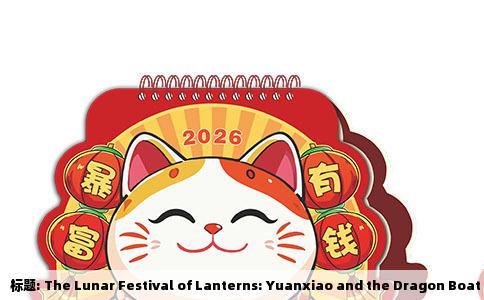
Statistics reveal that in recent years, Yuanxiao has gained global recognition through cultural exchanges and tourism, with many foreigners embracing this festival as a way to experience Chinese culture firsthand. According to a 2026 survey by a leading travel website, Yuanxiao attracted an estimated 20 million domestic and international tourists, contributing significantly to the country''s tourism revenue. The festival’s popularity is further evidenced by its inclusion in China''s Intangible Cultural Heritage list, emphasizing its cultural importance and continuity.
#The Dragon Boat Festival: Zhongzuo
The Dragon Boat Festival, known as Zhongzuo in Chinese, is celebrated on the fifth day of the fifth lunar month. It commemorates the death of Qu Yuan (c. 340-278 BC), an esteemed poet and minister in the State of Chu during the Warring States Period. Qu Yuan''s loyalty to his country and his despair after it fell to Qin led him to drown himself in the Miluo River. Locals later discovered his body by rowing their boats in search and began the tradition of dragon boat racing to prevent fish from eating his body. To feed the fish away from Qu Yuan''s body, they threw zongzi (glutinous rice dumplings wrapped in bamboo leaves) into the water, which later became an integral part of the festival''s customs.
Dragon boat racing is a central activity during Zhongzuo, where teams compete in colorful, decorated boats, resembling dragons as they race across rivers or lakes. This event not only showcases traditional boat-building skills but also promotes physical fitness and teamwork among participants. Zongzi eating contests are also popular during the festival, with participants testing their skills in devouring these sweet-and-savory dumplings quickly. These customs have evolved into a festive spectacle that blends historical remembrance with modern entertainment.
According to a 2026 report by a prominent cultural research institute, the Dragon Boat Festival has gained significant international attention, with over 150 countries participating in dragon boat races or related activities. This global reach underscores China''s soft power influence through cultural diplomacy and its efforts to promote traditional practices worldwide. The festival has become an integral part of Asian cultural festivals, especially in Southeast Asian countries where it is celebrated with great fervor.
#Contemporary Celebrations and Cultural Significance
In contemporary times, both Yuanxiao and Zhongzuo have evolved to embrace both traditional practices and modern trends. With increasing urbanization and globalization, these festivals have become more accessible to a wider audience, particularly through social media platforms that facilitate online celebrations for those unable to return home during peak travel periods. Virtual lantern riddles, online cooking competitions for zongzi, and live-streamed dragon boat races have become popular means of participation for those who cannot physically attend the festivities.
Moreover, these festivals serve as important platforms for preserving cultural heritage and promoting national identity. Governments at all levels organize events, exhibitions, and workshops to educate people about their traditions while fostering a sense of cultural pride among young generations. For instance, museums often host exhibitions on Qu Yuan''s life and works during Zhongzuo, while craftspeople showcase their lantern-making skills during Yuanxiao celebrations.
#Conclusion
Yuanxiao and Zhongzuo are more than just festive occasions; they are deeply embedded in Chinese culture as symbols of hope, unity, and remembrance. While they differ in their historical narratives and customs, both festivals underscore the importance of family reunion and community bonding. Through their continued celebration in both traditional and contemporary forms, these festivals not only preserve cultural heritage but also serve as bridges connecting past with present and fostering a sense of belonging among people across generations and borders. As China continues to promote its cultural soft power globally, these festive traditions will undoubtedly continue to enchant audiences worldwide, enriching our understanding of Chinese culture''s timeless beauty and resilience.

最新文章
-
2021年春节放几天假
2026-07-29 09:06:30 -
中秋节到了送礼送什么啊月饼是一个搭配什么酒比较好啊中秋送
2026-07-29 09:06:24 -
中秋节给长辈送什么礼物好
2026-07-29 09:06:13 -
端午节的总起来源发展现代
2026-07-29 08:06:31 -
清明节由来作文350字
2026-07-29 08:06:26 -
广东春节传统美食有哪些
2026-07-29 08:06:21 -
法定假日有加班吗
2026-07-29 08:06:10 -

近日20144347桂林天气如何想清明节期间去旅游
2026-07-29 07:07:11