The Unique Festivals of China and the West in English
 袁灵友
袁灵友- 节日
- 2026-03-03 17:02:08
- 86
In English, the festivities in China and the West are vastly different, yet equally fascinating. Each culture possesses a rich history of traditions and celebrations that contribute to the diversified nature of human heritage. Let us delve into the list of notable occasions.
1. 中国的主要节日(Chinese Major Festivals)
- 春节 (Spring Festival) - Known as the Lunar New Year, this festival ushers in the year with fireworks, red decorations, and family reunion dinners.
- 中秋节 (Mid-Autumn Festival) - Celebrated with moon gazing, lanterns, and family gatherings to appreciate the moon''s beauty.
- 端午节 (Dragon Boat Festival) - Honoring the dragon, this festival revolves around racing dragon boats, traditional dance, and consuming zongzi.
- 国庆节 (National Day) - Celebrated to honor the country and marked with fireworks and national celebrations.
2. 西方的节日 (Western Festivities)
- Christmas (Christmas Day) - With merry exchanges, decorated trees, gifts, and family reunion.
- Easter (Resurrection Sunday) - The Easter holidays revolve around bunny rabbits, chicks, dyed eggs, and symbolic colorfully dressed gothic gatherings.
- Valentine''s Day (Day of Love) - Marked with candies, roses, and dates between partners, honoring the spirits of love.
- Thanksgiving - Dedicated to thanking God for blessings and prosperity, marked with family gatherings and sharing of food.
- Halloween (All Hallows'' Eve) - A night of ghosts and spirits, costumes, and sweet treats for children.
Each festival in both cultures is steeped in history and tradition, often accompanied by unique customs and rituals that enrich human life with diverse experiences. From red envelopes in China to chocolate rabbits in Western cultures, these festivals provide a bridge between different cultures, connecting people through shared experiences and symbols.
As China grows more interconnected with the rest of the world, festivals have become an important means of cultural exchange. While many Western festivals have been adopted in China, Chinese festivals are also becoming more popular in Western countries. This mutual understanding and respect for each other''s traditions have created a rich tapestry of shared human experiences that transcend cultural boundaries.
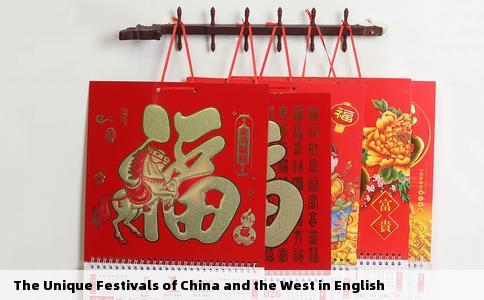
In conclusion, the diversity of festivals in both China and the West is a testament to the richness of human history and culture. These festivals are not just occasions for celebration but also serve as powerful symbols of unity and connection between people from different cultures. As we continue to learn about each other''s traditions and celebrate our differences, we can foster a deeper understanding and respect for each other''s values and beliefs.


最新文章
-
2021年春节放几天假
2026-07-29 09:06:30 -
中秋节到了送礼送什么啊月饼是一个搭配什么酒比较好啊中秋送
2026-07-29 09:06:24 -
中秋节给长辈送什么礼物好
2026-07-29 09:06:13 -
端午节的总起来源发展现代
2026-07-29 08:06:31 -
清明节由来作文350字
2026-07-29 08:06:26 -
广东春节传统美食有哪些
2026-07-29 08:06:21 -
法定假日有加班吗
2026-07-29 08:06:10 -

近日20144347桂林天气如何想清明节期间去旅游
2026-07-29 07:07:11